

0x03 Review board
Separate from the advisory board
Review board
Five people who read every proposal. The idea is judged, not the CV.
Named in full before the CFP opens on 25 October 2026.
- Reviewers
- Five, read everything
- Review runs
- 10 December to 3 January
- Decisions by
- 15 January 2027
- Paid
- No, on either side
01 The board
Five reviewers
Named before the window opens, so you know whose hands your proposal lands in.
-
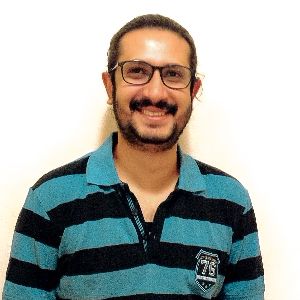
Monnappa K A
Review board member for Asia, USA and Europe · Black Hat
Wrote Learning Malware Analysis, built the Limon Linux sandbox, won the 2016 Volatility plugin contest, and co-founded the Cysinfo research community.
LinkedIn -

Adhokshaj Mishra
Staff Detection Engineer · SentinelOne
Works on offensive as well as defensive side of Linux malware research; and has delivered lectures on wide array of topics pertaining to Linux malware in various academic and security conferences, as well as various security chapter meetups.
LinkedIn -
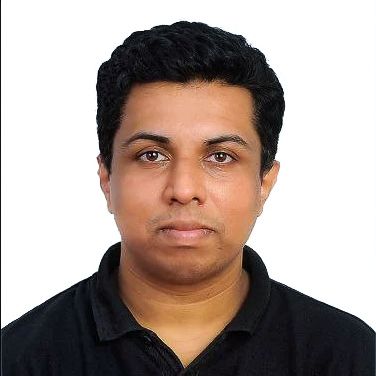
Sajan Shetty
Co-founder · Cysinfo
Has taught the malware analysis and memory forensics training at Black Hat in Asia, Europe and the United States, and works on machine learning alongside it.
LinkedIn -

Donavan Cheah
Senior security consultant · Thales
Writes for the ISACA Journal on threat modelling and the economics of security, sits on its emerging trends working group, and built a CISO role-playing exercise at Thales.
LinkedIn -

Tatsat Thakore
Project scientist 3 · DIA-SVPCoE
With deep expertise in Geospatial Intelligence, AI/ML, SATCOM, space debris management, and strategic defence research, Tatsat is dedicated to solving some of the most challenging problems in Space & Defence. At BSides Dehradun, he joins our mission of driving innovation, fostering community, and shaping the future of cybersecurity research & practice.
LinkedIn
An employer is named to say what kind of work the person does. It is not a statement that the organisation endorses, sponsors or has any view about BSides Dehradun. Reviewers read submissions as individuals. Want to review next time? [email protected]
02 Scoring
Five criteria, weighted
A rough proposal about work nobody has seen beats a polished one about work everybody has.
- 5Technical depthOriginal research, a tool you built, insight that cost you something.
- 5OriginalityNew work. A talk already given at three conferences scores low.
- 4RelevanceUseful to researchers, red and blue teams, students and developers.
- 3Clarity and deliveryClear and deliverable. First-time speakers are not marked down.
- 2Fit and formatThe right length for the material. Easiest to fix by asking first.
- Reads per proposal
- All five reviewersNothing is sampled or filtered first.
- Slots
- To be confirmedThe number follows the venue schedule.
- Ties
- A conversation between five peopleA reviewer with a stake in either is out of it.
- Rejection
- Mostly arithmeticMore good proposals arrive than there is room for. Send it again next time.
03 Conflicts
If your proposal involves one of us
Security in India is a small world. The answer is disclosure.
Say so in your notes
Name the reviewer and the connection. It has never been a reason to reject.
Reviewers step out
A colleague's, student's or employer's proposal: they declare it and take no part.
Two separate boards
The advisory board has no part in choosing talks.
Questions about a decision: [email protected]. About someone's conduct: the code of conduct contacts, a different set of people on purpose.
04 Questions
First-time submitters ask
Does a well-known employer help?
No. Reviewers want a thing you found out, evidence you found it, and a reason the room should care. An employer gives none of those.
What makes a proposal stand out?
Being specific. "Bypassing an EDR" is a topic. "How we got one EDR to ignore one class of loader, and the three attempts that failed" is a talk.
When do decisions go out?
11 to 15 January 2027. Nobody hears later than 15 January 2027, accepted or not.
Five readers, one inbox, no shortcut past them.